

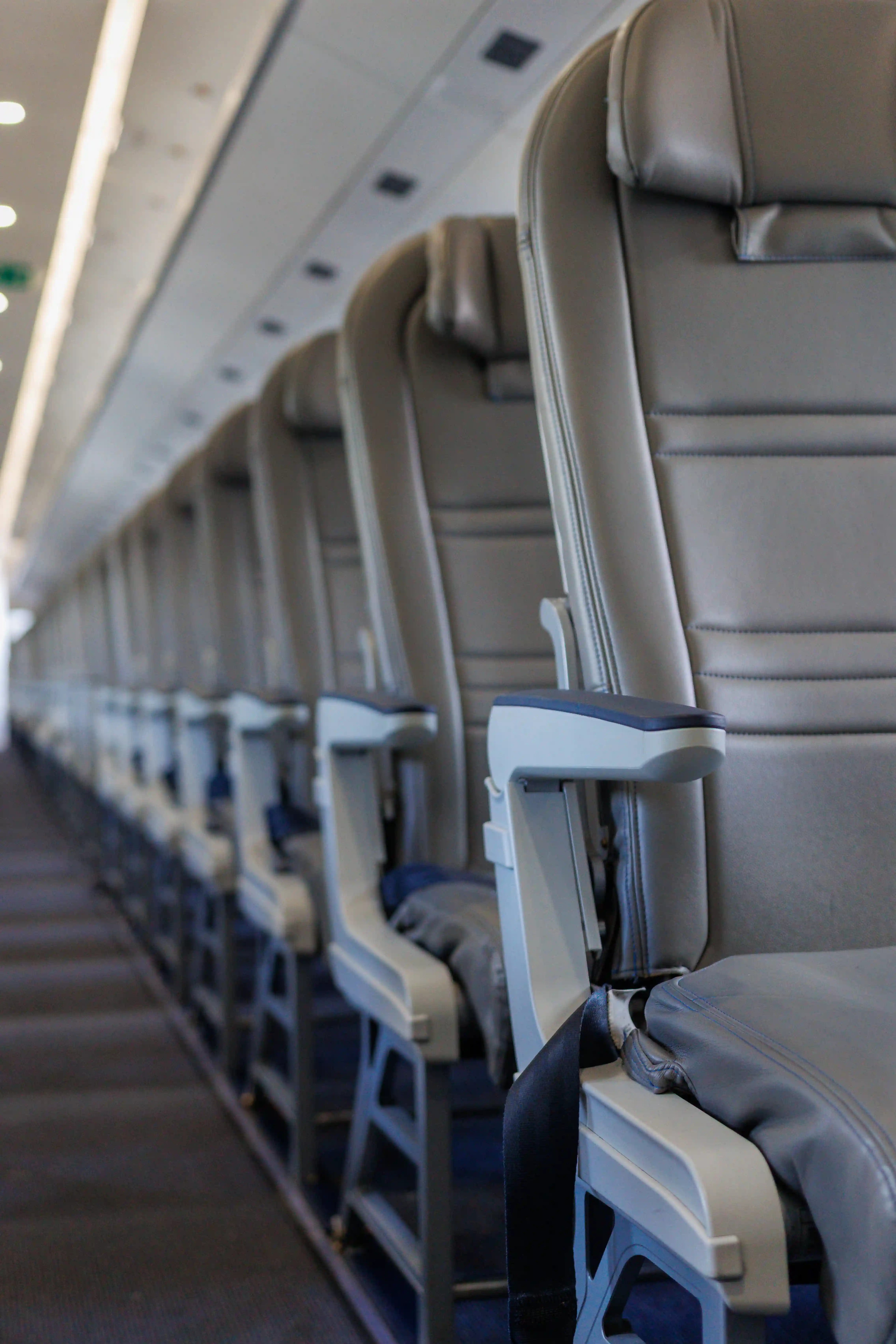
It is the question principals and passengers ask first, and the answer depends entirely on which disinsection method is used. Two of the four WHO methods are performed on an empty aircraft. Two are performed with passengers seated. Which one your aircraft gets is, to a large extent, a planning decision.
The four methods and who is aboard
The World Health Organization’s Aircraft Disinsection Methods and Procedures, 2nd edition, recognizes four methods in current use.
Pre-embarkation. The empty aircraft is treated with an approved aerosol at the departure port, before passengers board. Nobody is aboard. The aircraft is ventilated and boards after the required wait. This is the method we perform.
Residual. A surface treatment applied on the ground with the aircraft empty. Nobody is aboard during application. It is one of the four WHO methods and not something we offer.
Pre-departure. An aerosol applied after passengers have boarded and the doors are closed, before push-back. Passengers are seated during the spraying.
On-arrival. An aerosol applied after landing, before anyone disembarks, under the supervision of the arrival authority. Passengers are seated. This is what typically happens to an aircraft that arrives without a verified treatment.
Why it matters beyond comfort
Spraying with passengers aboard is a recognized practice, and the products involved are approved for exactly that use. But for a private or corporate flight it is rarely what anyone wants. It means an aerosol in a full cabin, a wait on the ground, and on arrival, an inspector’s timetable and often the operator’s expense. It also means the principal experiences the treatment rather than never knowing it happened.
Pre-embarkation removes all of that. The treatment is complete before the passengers reach the aircraft. The cabin has been ventilated. The certificate is aboard. Arrival is a formality.
What "empty" means on treatment day
For pre-embarkation the cabin has to be free of passengers, with catering and cleaning complete so that nothing needs to be reopened after treatment. Crew are briefed and out of the cabin during application; the flight deck is treated as part of the procedure. The aircraft then rests as the method specifies, is ventilated, and is released for boarding after the required wait.
The practical answer
If you plan ahead and choose pre-embarkation, no. Nobody is aboard, and passengers arrive to a treated, ventilated aircraft. If the aircraft arrives at a destination that requires disinsection without a verified treatment, then yes: it will most likely be sprayed on arrival with everyone in their seats. The difference is a phone call before the trip.