

Pre-Embarkation Aircraft Disinsection
Pre-embarkation disinsection means treating the empty aircraft with a WHO-approved aerosol at the departure airport, before anyone boards, so it arrives compliant with the certificate the destination authority expects. Performed by our own team at your US departure airport, anywhere in the United States.
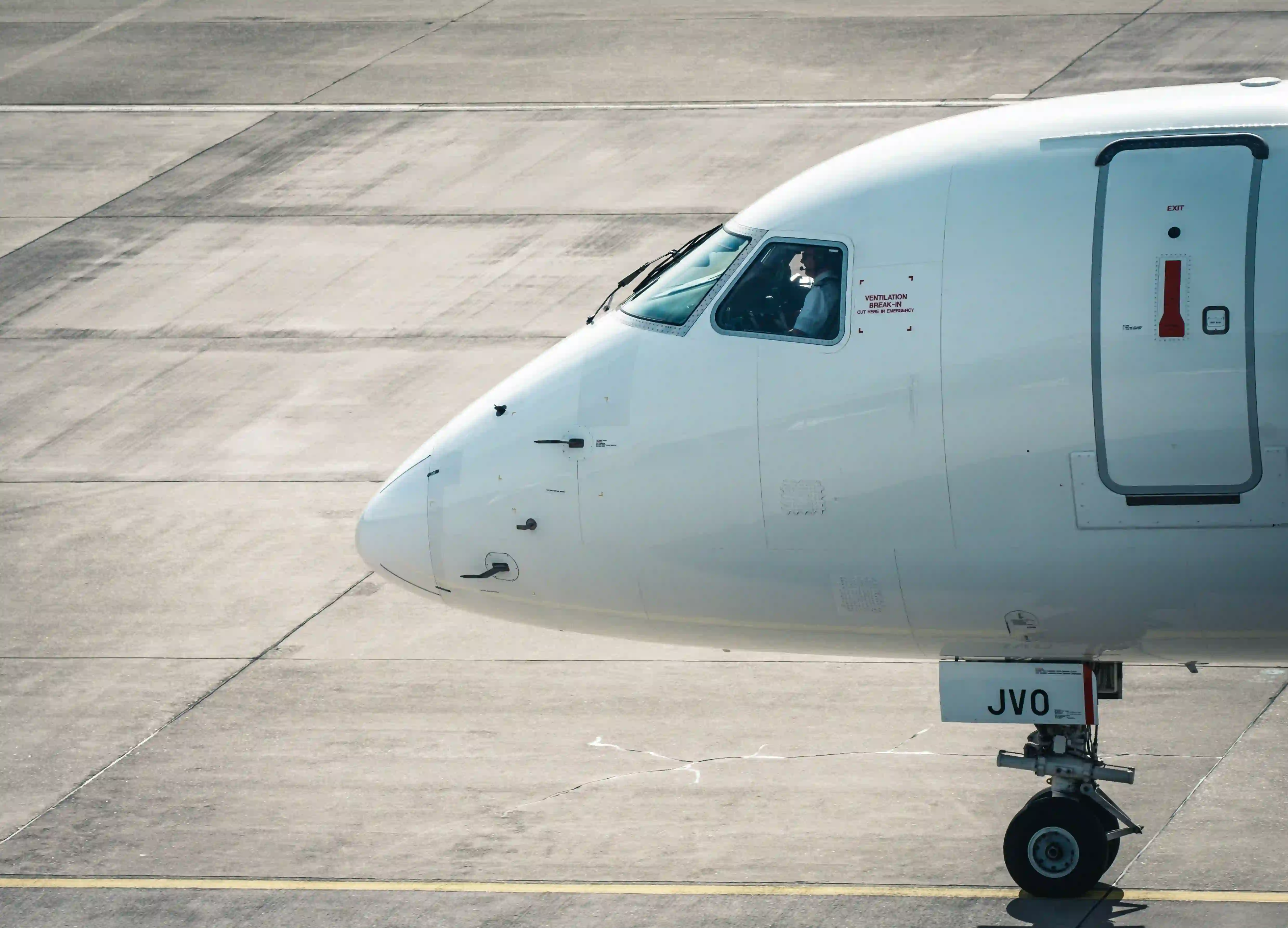
Treated empty before boarding, the aircraft departs already compliant.
What pre-embarkation disinsection means
Pre-embarkation disinsection is one of the methods the World Health Organization describes in its Aircraft Disinsection Methods and Procedures, 2nd edition (2023). Our crew treats the aircraft interior, cabin, flight deck and holds, with an EPA registered aircraft aerosol at the WHO dose while the aircraft is empty of passengers, before boarding, at the departure airport. The aircraft is then ventilated and boards after the required wait.
The treatment is valid for one flight sector and is performed at the last port before the destination country. For a non-stop flight from the United States, that is your US departure airport. On completion we issue the disinsection certificate for the destination authority and hand the crew the treatment details to record on the General Declaration.
The point of it: the aircraft lands already compliant. Nobody sprays an occupied cabin at the gate, nobody waits for an inspector, and the crew is not assembling paperwork on the ramp.
| Method | WHO pre-embarkation, cabin, flight deck and holds |
|---|---|
| Insecticide | EPA registered aircraft aerosol at the WHO dose |
| Passengers | None aboard during treatment |
| When | Before boarding, at the US departure airport |
| Validity | One flight sector |
| Re-entry | Aircraft ventilated; boarding after the required wait |
| Certificate | Issued on completion, for the destination authority |
| Coverage | United States nationwide; we travel to the aircraft |
The WHO pre-embarkation disinsection method, on an empty aircraft.
With no passengers aboard and the aircraft prepared, our technician applies the aerosol through the cabin at the WHO-specified rate: seat rows, open overhead and sidewall stowage, galleys, lavatories, crew rest areas and the flight deck, with the holds treated as part of the same procedure. The product is a non-flammable aircraft insecticide approved to airframe manufacturer specifications and registered with the US EPA.
The aircraft then rests with the air conditioning packs off for the period the method specifies, is ventilated, and boards after the required wait. Passengers and crew are never in the cabin during application.
The pre-embarkation disinsection process: empty aircraft, before boarding, certificate in hand.
Of the WHO methods a destination can accept, pre-embarkation is the one that keeps passengers out of the cabin during treatment and keeps control of timing with the operator. Pre-departure means spraying with passengers seated before push-back. On-arrival means an inspector sprays a full cabin at the destination gate, sometimes at the operator’s expense, before anyone disembarks.
Pre-embarkation is complete before the passengers arrive at the aircraft, and the certificate travels with the flight.
Compare the four WHO methods →Countries where our pre-embarkation disinsection meets the requirement.
Pre-embarkation is named as an accepted method by a range of countries that require disinsection on arriving aircraft. We perform pre-embarkation disinsection for US flights to Italy, Greece, Egypt, Morocco, India, Bangladesh, Brunei, Macau, the Philippines, Brazil, Chile, Paraguay, Uruguay, Barbados, Mauritius, the Seychelles, Australia, New Zealand, Fiji, the Solomon Islands and the Cook Islands. Every confirmed country, with the methods it accepts, is on the requirements by country page.
Australia and New Zealand require an operator approval arrangement that should be started early. We help operators meet both countries’ requirements; contact us to plan ahead.
Tell us your route and we will confirm exactly what your aircraft needs.
Destination, departure airport, dates. We confirm the requirement, come to the aircraft, and handle the certificate.
Aircraft disinsection service at any US airport. We travel to the aircraft.
Most operators assume a treatment like this means repositioning to a specialist facility. It does not. Our crew comes to your FBO or hangar at any US airport, treats the aircraft before boarding, and issues the certificate on the spot. We can often accommodate short-notice requests; contact us with your dates.
US departure airports
Pre-embarkation disinsection questions, answered
What is pre-embarkation disinsection?
A WHO-recognized method in which the empty aircraft is treated with an approved insecticide aerosol at the departure airport, before passengers board, at the last port before the destination country. It is valid for that flight sector and a certificate is issued on completion.
What insecticide is used?
A US EPA registered aircraft aerosol, applied at the WHO-specified rate. It is designed for aircraft cabin use and approved to the relevant airframe manufacturer specifications.
Is the aircraft empty during treatment?
Yes. Pre-embarkation is performed with no passengers aboard. The aircraft is then ventilated and boards after the required wait.
How long is the treatment valid?
For one flight sector: the flight it is performed for. Multi-stop routings need a closer look, so send us the full itinerary.
Does the treatment cover the flight deck and holds?
Yes. Cabin, flight deck and holds are all treated as part of the WHO pre-embarkation method.
What do we receive after treatment?
A disinsection certificate for the destination authority, plus the treatment details your crew enters on the General Declaration. We handle the rest of the documentation for the route.
Do you provide other disinsection methods?
Pre-embarkation is our service. If a destination requires an on-arrival treatment, or if your routing means pre-embarkation at a US airport will not cover the arrival, we tell you that up front when you send the trip.