

What Is Aircraft Disinsection?
Aircraft disinsection is the treatment of an aircraft interior with an approved insecticide to kill mosquitoes and other insects that can carry disease across borders. Many countries require it on arriving aircraft. Here is what it is, where it comes from, and why it matters to anyone flying internationally.
Disinsection meaning: the definition
Disinsection is a public-health measure. Under the World Health Organization’s International Health Regulations (2005), countries may require conveyances arriving from areas where disease vectors are present to be treated so that those vectors are not introduced. For aircraft, that treatment is disinsection: an insecticide applied to the cabin, flight deck and holds so that insects aboard, chiefly mosquitoes, are killed before they can leave the aircraft.
The technical standard is the World Health Organization’s Aircraft Disinsection Methods and Procedures, now in its second edition (published in 2023). It sets out the recognized methods, the insecticides and application rates, and the procedures for cabin and hold treatment. ICAO Annex 9 recognizes disinsection and provides the model certificate format many countries accept.
Why they spray insecticide on planes: the vector it targets
The mosquito that drives most disinsection requirements is Aedes aegypti, the primary vector of dengue, Zika, yellow fever and chikungunya. It thrives in warm urban environments, bites by day, and travels well: an aircraft cabin is a comfortable, climate-controlled container that can carry it thousands of miles in a few hours. Anopheles mosquitoes, which transmit malaria, and other insects are also targets. Several countries add agricultural pests to the list, because the same treatment protects crops and ecosystems as well as people.
Disinsection kills insects on the aircraft so they do not arrive with it.
It is not disinfection, which targets bacteria and viruses on surfaces. Different treatment, different rules, different certificate.
Disinsection vs disinfection →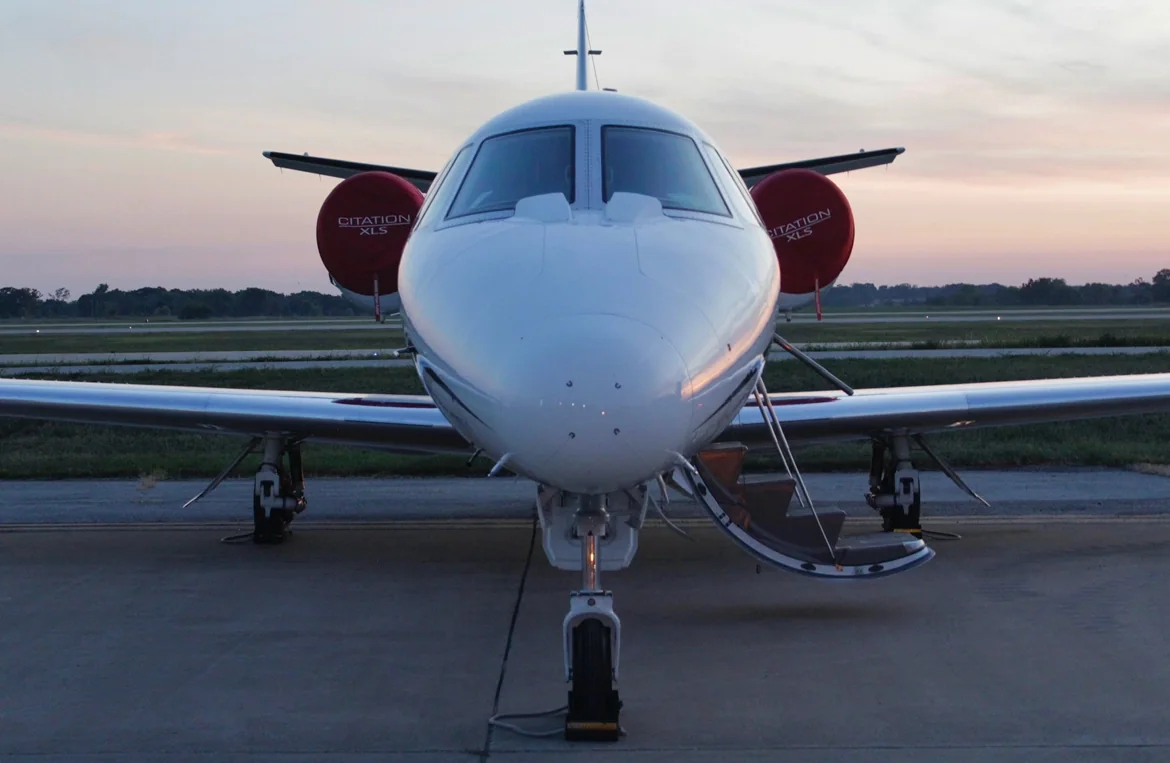
Which countries require aircraft disinsection on arrival, and why the list is growing.
Dengue alone now affects a large share of the world’s population, and its geographic range has been expanding. Countries that are free of Aedes aegypti, or that have it and are fighting to contain the diseases it carries, both have reasons to control the aircraft pathway. Island nations in particular treat the cabin as one of the few entry routes they can actually inspect and manage before arrival.
That is why the list of countries requiring disinsection is not fixed and not intuitive. Australia and New Zealand require it on every international arrival. Italy requires it on aircraft arriving from countries where Aedes aegypti is present, which includes the United States. Greece followed in September 2025 with a mandatory requirement of its own. Others apply it to particular origins or seasons. The only reliable way to know what applies to a given flight is to check that destination’s current rules for that route.
For an operator, the practical consequences are what matter. An aircraft that arrives without a required treatment is normally treated on arrival, with passengers aboard, under the supervision of health or biosecurity officers, and the operator may bear the cost. In some places the aircraft can be held or refused until the treatment is done and verified.
Handled properly, disinsection is a non-event: the aircraft is treated empty before departure, ventilated, boarded, and lands with the certificate the port health officer wants to see. That is what pre-embarkation disinsection is for, and it is the service we provide.
Our pre-embarkation service →More aircraft disinsection information
Disinsection vs disinfection
Two words, two different treatments, two different sets of rules. Why the difference matters at the arrival gate.
Types of disinsection
The four ways an aircraft can be disinsected, side by side, and why pre-embarkation is the right choice for a US departure.
Countries we serve
The destinations we handle disinsection for on flights from the United States.
Frequently asked questions
What is aircraft disinsection?
The treatment of an aircraft interior with an approved insecticide to kill mosquitoes and other insects, required by many countries on arriving aircraft to stop disease vectors crossing borders. The governing standard is the WHO Aircraft Disinsection Methods and Procedures, 2nd edition (2023).
Why do countries require it?
To stop insects that carry disease, chiefly the Aedes aegypti mosquito and the dengue, Zika, yellow fever and chikungunya viruses it transmits, from being carried in on a flight. Some countries also treat the cabin as a biosecurity pathway for agricultural pests.
Is disinsection required by international law?
The International Health Regulations (2005) provide for it, and ICAO Annex 9 recognizes it. Whether a given arriving aircraft must be disinsected is set by the destination country, which is why the requirement varies by route.
Does it apply to private aircraft?
Yes. Where a country requires disinsection it applies to the aircraft arriving, whether it is an airliner, a corporate jet or a charter flight.
What happens if an aircraft arrives without it?
That depends on the destination, but typically the aircraft is treated on arrival with passengers aboard, under supervision, before anyone disembarks, and the operator may be charged. Delays and non-compliance action are possible.