

Aircraft Disinsection Requirements for Flights to New Zealand From the US
Meets
New Zealand requires every arriving aircraft to be disinsected and to carry a valid certificate under the same joint Schedule Australia uses, administered by the Ministry for Primary Industries. Pre-embarkation at the last overseas port is an approved method, inside an MPI Compliance Agreement or DAFF Approved Arrangement held by the operator.
Why New Zealand requires aircraft disinsection
New Zealand is an island biosecurity system, and the aircraft cabin is one of the few pathways that can be controlled before arrival. The Craft Risk Management Standard applies to aircraft from all countries. Since 30 June 2025 only certificates on the Schedule version 5.3 templates are accepted, the used cans stay on board, and both an ADI report and an MPI pre-arrival notification are lodged before landing. A non-compliant aircraft is disinsected on arrival at the operator’s cost.
How we meet the disinsection requirement for New Zealand
Our pre-embarkation treatment is performed at your US departure airport, on the empty aircraft, before boarding, with an EPA registered aerosol at the WHO dose. For New Zealand it counts only inside the operator’s MPI Compliance Agreement or DAFF Approved Arrangement, on the Schedule certificate template, with the ADI report and MPI notification lodged. As with Australia, that arrangement should be started early; we help operators meet it and plan the trip with you.
Main international gateways: Auckland (AKL), Christchurch (CHC), Wellington (WLG) and Queenstown (ZQN). Requirements change; confirm with the destination authority or your trip support provider before departure. Last verified 10 October 2026. Source: Australian Department of Agriculture, Fisheries and Forestry, aircraft disinsection (joint schedule with New Zealand).
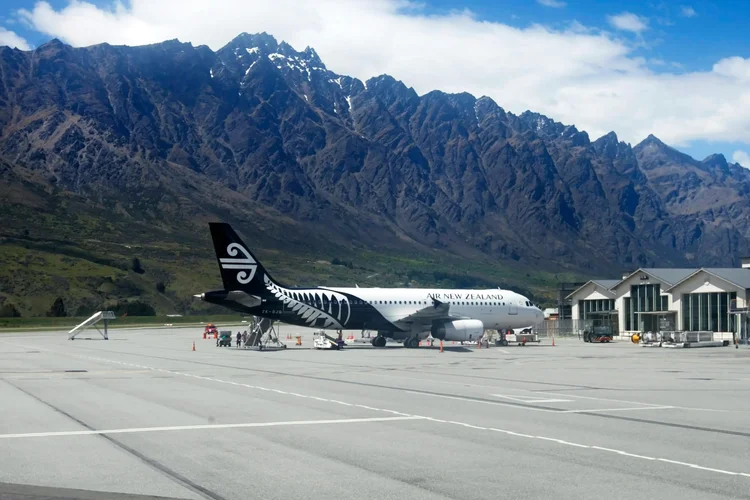
New Zealand disinsection requirements at a glance
| Requirement | Required for all aircraft arriving in New Zealand, which must be disinsected and carry a valid certificate of disinsection under the joint DAFF and MPI Schedule. |
|---|---|
| US departures in scope | Yes. |
| Private and business aircraft | Yes, all aircraft. |
| Governing rule | MPI Craft Risk Management Standard: Aircraft from All Countries (27 May 2021); joint DAFF and MPI Schedule v5.3. |
| Pre-embarkation, as published | Yes, only under an MPI Compliance Agreement or DAFF Approved Arrangement. |
| Residual, as published | Yes, under the same arrangement. |
| Advance notice | Yes. ADI report and MPI pre-arrival notification. |
| Last verified | 10 October 2026 |
- Residual (approximately 8 weeks)
- Pre-embarkation at the last overseas port
- Pre-departure before push back
- On-arrival under MPI supervision if there is no valid prior treatment
- Valid certificate of disinsection on the Schedule v5.3 appendix templates; generic WHO or ICAO certificates have not been accepted since 30 June 2025
- Exhausted or partly used cans retained on board
- ADI report before arrival for residual or pre-embarkation treatments
- MPI pre-arrival aircraft biosecurity notification
Meets. Pre-embarkation at the last overseas port is an approved method under the joint Schedule. It is performed inside the operator’s MPI Compliance Agreement or DAFF Approved Arrangement, on the Schedule certificate template, with the ADI report and the MPI pre-arrival notification; we help operators put that arrangement in place and work inside it.
What we provide for a New Zealand departure.
- Signed certificate of pre-embarkation disinsection listing every can serial number
- Ink stamped company affidavit
- Ready-to-copy General Declaration wording with the can identifiers
- Destination reference sheet
- EPA label sheet, safety data sheet (SDS) and technical data sheet (TDS)
- Used cans bagged and retained on board
Tell us your route and we will confirm exactly what your aircraft needs.
Destination, departure airport, dates. We confirm the requirement, come to the aircraft, and handle the certificate.
Caveats
- Non-compliant aircraft are disinsected on arrival at operator cost.
Sources
Verified by: Published MPI standard and joint Schedule; last checked September 2026.
Last verified 10 October 2026. Requirements change. Confirm with the destination authority or your trip support provider before departure.
Two things to settle before you file.
Routing. Pre-embarkation covers the flight it is performed for and is done at the last port before New Zealand. Non-stop from the US, that is your departure airport. With a stop en route, send us the full itinerary and we will confirm where the treatment belongs.
Operator arrangement. New Zealand requires the aircraft operator to hold an approval arrangement before an overseas pre-embarkation treatment counts, with the certificate on the official template and a report lodged before arrival. It should be started early. We help operators put it in place and work inside it.
What the arrival authority sees.
In New Zealand, an aircraft that arrives treated, ventilated and boarded in the normal way, carrying the documents listed above for New Zealand, with the treatment recorded on the crew’s General Declaration and the used cans retained on board. An aircraft that arrives in New Zealand without a verified treatment is typically treated on arrival with passengers aboard, under supervision, sometimes at the operator’s expense.
About the certificate →
Common US departure airports for this route
- Denver International AirportDEN
- Centennial AirportAPA
- Salt Lake City International AirportSLC
- Harry Reid International AirportLAS
- Henderson Executive AirportHND
- Phoenix Sky Harbor International AirportPHX
- Scottsdale AirportSDL
- Los Angeles International AirportLAX
- Van Nuys AirportVNY
- Hollywood Burbank AirportBUR
- John Wayne AirportSNA
- San Diego International AirportSAN
Not listed? We travel to any US airport. All departure airports.
New Zealand disinsection questions, answered
Does New Zealand require aircraft disinsection for private flights from the US?
Yes. New Zealand requires disinsection of all arriving aircraft, private and commercial, with a valid certificate on the Schedule version 5.3 template. Pre-embarkation at the last overseas port is an approved method inside the operator MPI Compliance Agreement or DAFF Approved Arrangement.
Can one plan cover both Australia and New Zealand?
Often, yes. The two countries share a disinsection Schedule and recognise each other arrangements, and many operators plan both on one itinerary. Send us the full routing and we will confirm what applies to each leg.
Can passengers be on board when the aircraft is treated for New Zealand?
Not for pre-embarkation. The aircraft bound for New Zealand is treated empty, before boarding, at your US departure airport, then ventilated. Passengers never see the process.
What do we carry on arrival in New Zealand?
For New Zealand: the signed certificate we issue on completion, the ink stamped company affidavit, the General Declaration completed by your crew from the wording we provide, the New Zealand reference sheet, the EPA label sheet with the SDS and TDS, and the used cans bagged and retained on board.