

The World Health Organization’s Aircraft Disinsection Methods and Procedures is the technical standard every disinsection requirement in the world points back to. The second edition was published on 23 November 2023 and replaced a first edition that had stood for a decade. If you operate internationally, the changes are worth ten minutes.
What the WHO Aircraft Disinsection Methods and Procedures document is
The WHO standard describes how aircraft should be disinsected: the recognized methods, the insecticides and their application rates, the procedures for treating cabins and holds, and the certification that should follow. National authorities, Australia and New Zealand among them, adopt it and align their own schedules to it. It is written for airlines, airport and health authorities, pesticide regulators and the industry that performs the work.
The methods: top-of-descent retired
The most visible change for operators is in the methods. Top-of-descent spraying, in which the cabin was treated in flight before descent, is retired under the 2nd edition and replaced by pre-departure spraying at the last port before the destination. The current recognized methods are pre-embarkation, residual, pre-departure and on-arrival. Being correct about this in a conversation with a handler or an authority is a small but real mark of knowing the subject.
Updated rates for cabins and holds
The 2nd edition revised the aerosol application rates for aircraft cabins and holds and set them out by aircraft type in an annex, with a calculator to go with it. Australia’s biosecurity department signalled in early 2024 that the WHO rates would replace its own published rates and that the joint Australia and New Zealand schedule would be revised to give effect to the new edition, which it was, as version 5.3, from February 2024. Applicators had to update their procedures accordingly.
Updated procedures and examples
The new edition also updated its descriptions of application methods and equipment, the physical requirements of aerosol and residual products, and the worked examples of pre-embarkation and pre-departure cabin treatment and certification. For a provider, that means the procedure on the ramp and the paperwork afterwards both follow the 2023 text.
What it means for an operator
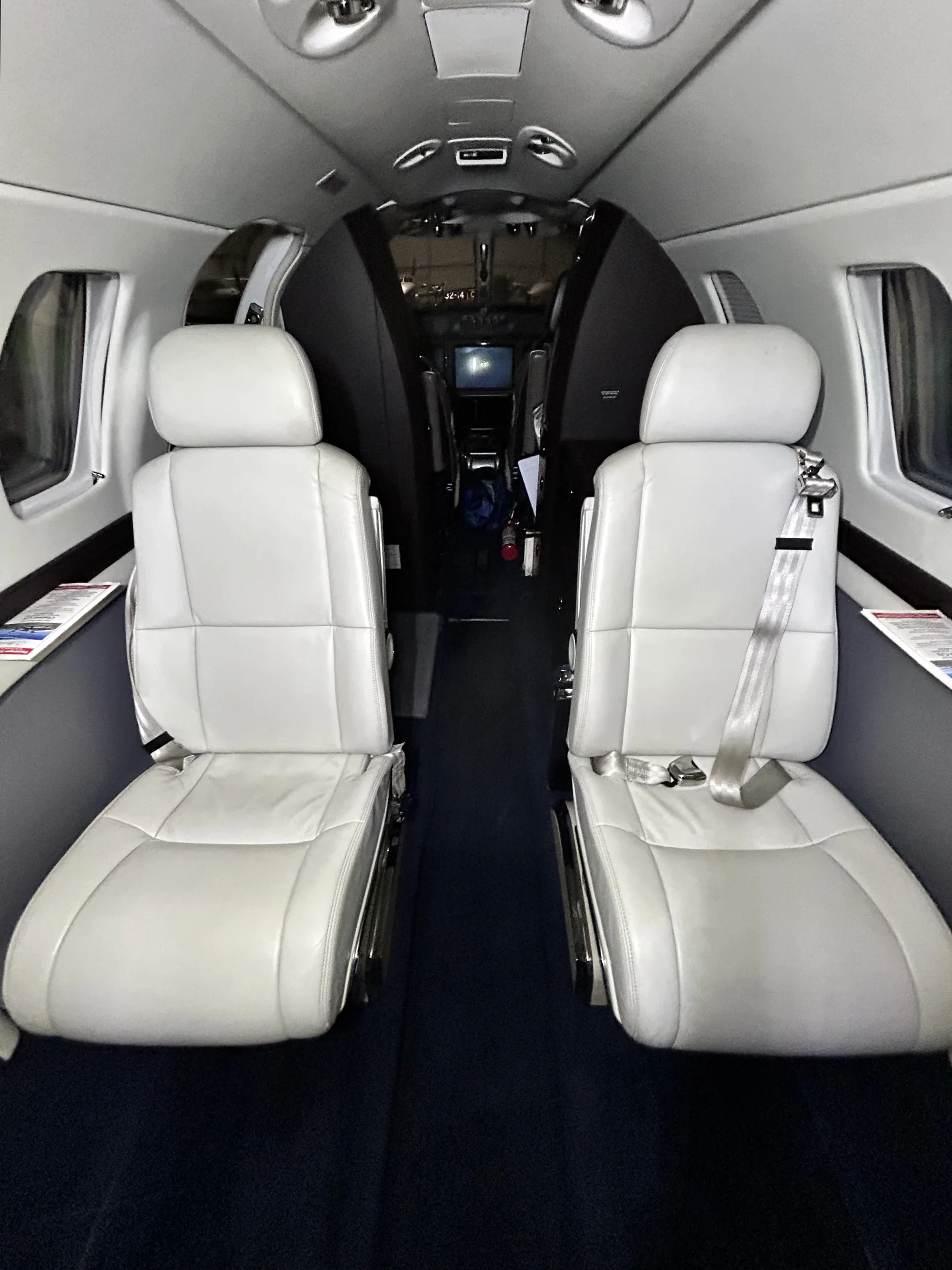
Practically, three things. First, if a document, a handler or a website still talks about top-of-descent spraying as a current method, it is out of date. Second, the destination authority expects the treatment to have been performed to the current rates and procedure, so the applicator you use should be working to the 2nd edition. Third, none of this changes the basic decision for a private or corporate flight from the US: pre-embarkation treatment of the empty aircraft at your departure airport, before boarding, remains the method that keeps passengers out of the process and the certificate in your hands.
That is the method we perform, to the 2nd edition, at any US airport.