

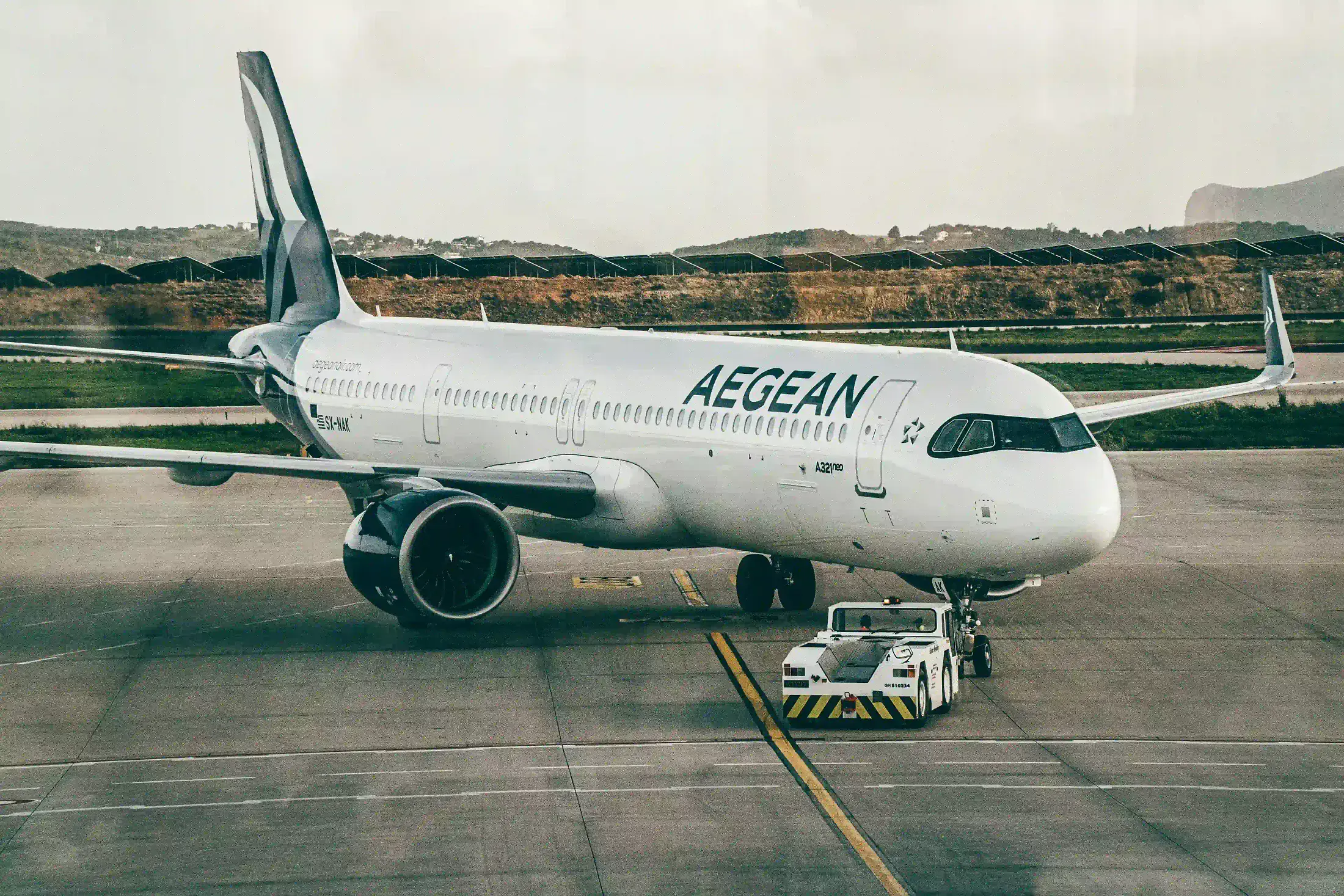
For years, Greece sat outside the disinsection conversation: operators flew Athens and the islands the way they flew the rest of Europe, with no insect treatment in the plan. That changed in September 2025, and the change is recent enough that many crews have still not heard about it. Here is what is now required, and how to arrive with it handled.
Greece disinsection requirements: what changed in September 2025
Greece made aircraft disinsection mandatory for aircraft arriving from, or stopping in, areas its Ministry of Health lists as having established Aedes aegypti populations, and that list names ten US states: Florida, Arizona, Texas, Georgia, New Mexico, California, Louisiana, Mississippi, Nevada and Hawaii. The requirement is published as AIP Greece AIC 03/25, it applies to private and corporate aircraft as well as airlines, and it took effect on 18 September 2025. The reasoning matches the rest of the Mediterranean: Aedes mosquitoes have been moving north for a decade, and Greek authorities decided arriving aircraft would no longer be an unwatched pathway.
Enforcement is the part to take seriously
New requirements are sometimes soft in practice. This one is not: an aircraft arriving in Greece without valid disinsection documentation can be isolated on the ramp, held from refueling and from boarding or disembarking passengers until the treatment situation is put right. For a trip built around a schedule, that is the expensive way to learn about a rule. The inexpensive way is a treatment before departure and a certificate in the flight documents.
What Greece accepts, and where pre-embarkation stands
The AIC names two methods: a long-lasting treatment applied by licensed pest control personnel, and aerosol spraying of cabin and cargo areas in accordance with WHO procedures before landing. Pre-embarkation is a WHO aerosol method, performed on the empty aircraft before boarding, but the AIC does not list it by name. Our reading is that a documented WHO treatment with the used cans on board should qualify, and our recommendation is that operators departing a listed state confirm acceptance with their Greek handler before relying on it. We treat the aircraft at your US departure airport with an EPA registered aerosol at the WHO dose, issue the certificate, hand your crew the General Declaration wording, and bag the used cans to stay on board, which is exactly what the Greek rule asks to see. The governing standard is the World Health Organization’s Aircraft Disinsection Methods and Procedures, 2nd edition (2023).
Routing notes for Greek itineraries
Many US trips to Greece stop in Western Europe on the way, and pre-embarkation belongs at the last port before the destination country. Non-stop to Athens, the treatment happens at your US departure airport and the plan is simple. Routed through Paris, Rome or Vienna first, the treatment belongs at that last stop instead, and the arrangements change. Summer island itineraries add a wrinkle of their own, since Mykonos and Santorini arrivals often route through Athens. Send us the full routing and we will tell you exactly where the treatment should happen.
The short version
Greece requires disinsection on aircraft arriving from ten listed US states as of September 2025, and it enforces the requirement on the ramp. Pre-embarkation is a WHO aerosol method the AIC does not name separately, so confirm acceptance with your handler, then arrive treated with the certificate and the cans aboard. Tell us your departure point, routing and dates, and we will prepare the documentation.